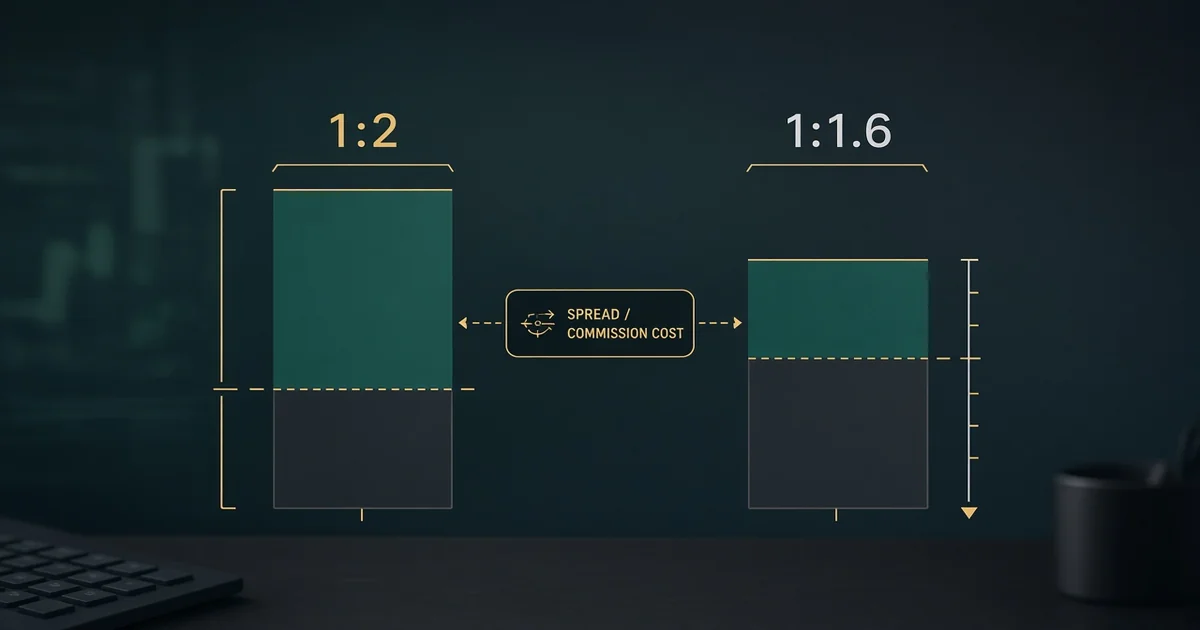
Cost-Adjusted Risk-Reward in Forex: Why Your 1:2 Is Often 1:1.6
Chart risk-reward ignores spread and commission. Worked EUR/USD examples show how round-turn cost turns a 1:2 plan into roughly 1:1.6, and how that lifts the break-even win rate.
Topic archive
Short answer: this ForexTradeLab archive collects 97 research pages on Beginners — education and broker mechanics, not live signals.
Newest first · Page 1 / 5
Chart risk-reward ignores spread and commission. Worked EUR/USD examples show how round-turn cost turns a 1:2 plan into roughly 1:1.6, and how that lifts the break-even win rate.
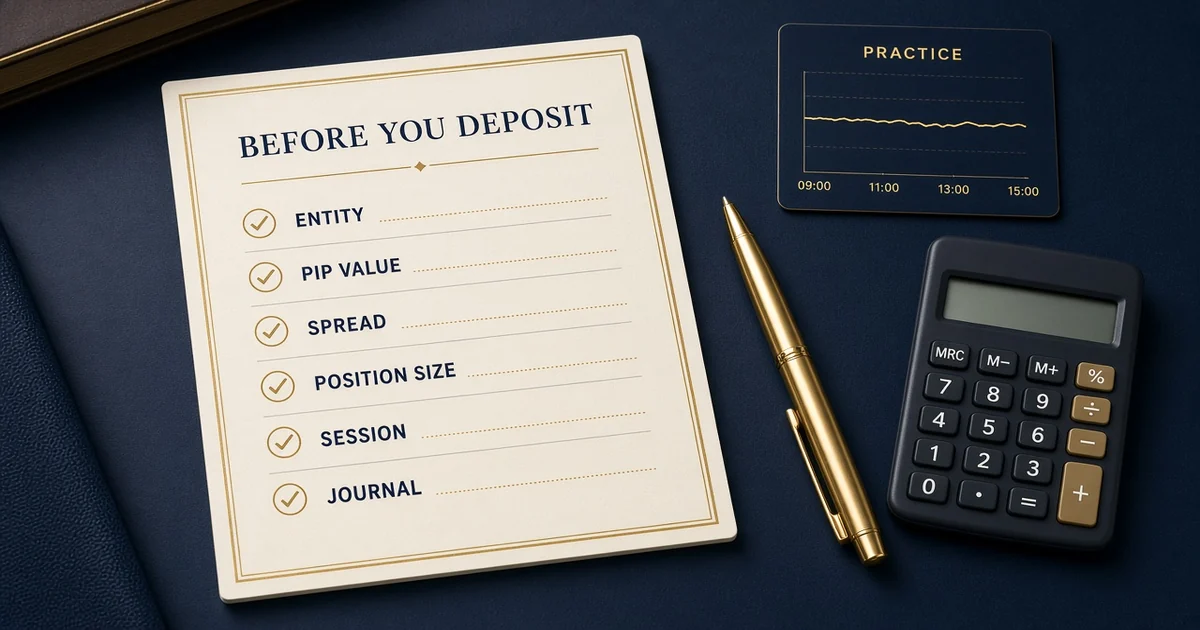
Six skills a person who intends to start forex should be able to do on a blank page before any live deposit: name the legal entity, value a pip, compare spread to the stop, size a 1% risk, name the session, and write a journal row.
A sourced test for people who intend to start forex and are thinking about resigning: what ESMA and AMF loss evidence implies for a salary, why a monthly percentage is not a paycheque, and what to keep in place before any notice letter.
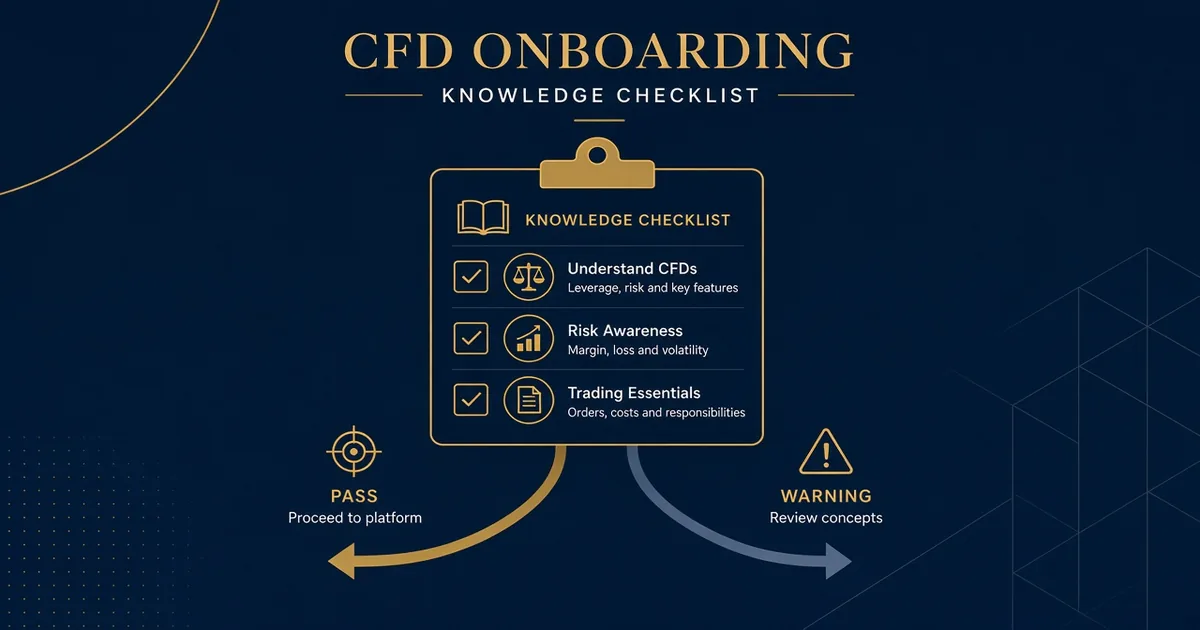
What a forex/CFD broker appropriateness assessment is under FCA COBS 10 / MiFID-style rules: why you face a knowledge quiz before funding, what firms must check, what happens if you fail, and how intending traders should prepare honestly.
Decode the mandatory CFD risk warning that says X% of retail investor accounts lose money: what the percentage measures under FCA/ESMA-style rules, what it does not measure, how to compare brokers, and how intending traders should use it before depositing.
A practical 2026 definition of forex risk capital for people who intend to start trading: how ‘money you can afford to lose’ differs from emergency funds and income, a separation checklist, sizing examples, and red flags that you are funding with the wrong money.
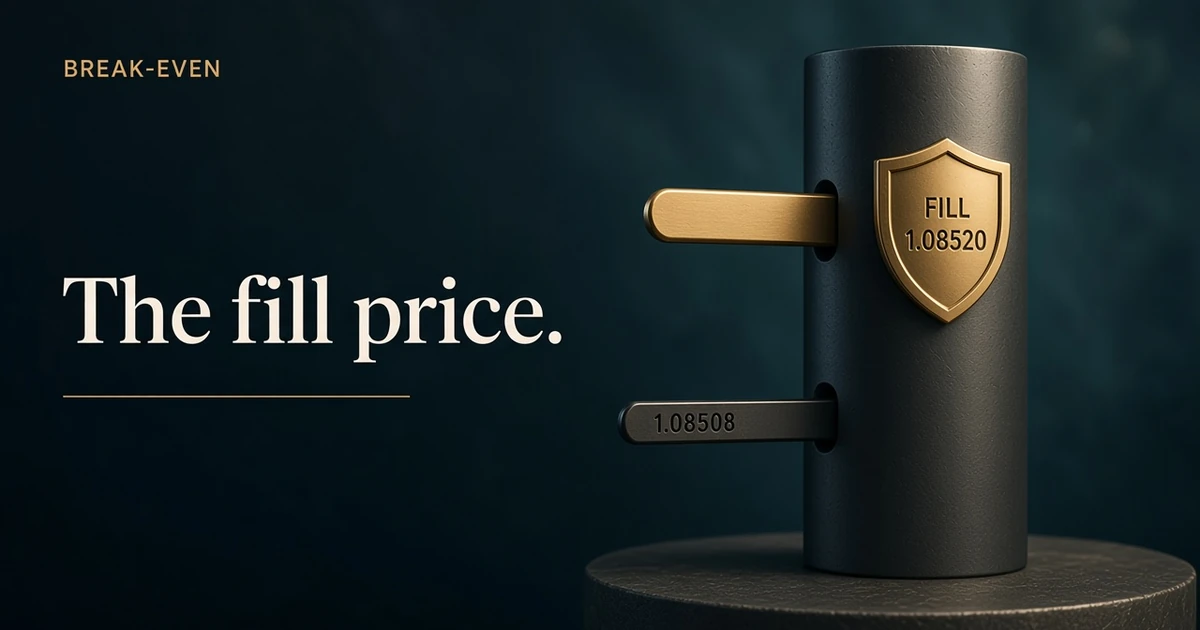
A break-even stop is flat at the fill price plus commission and swap, not at the candle you remember. Longs close on the bid. Move it too early and scratches replace winners.
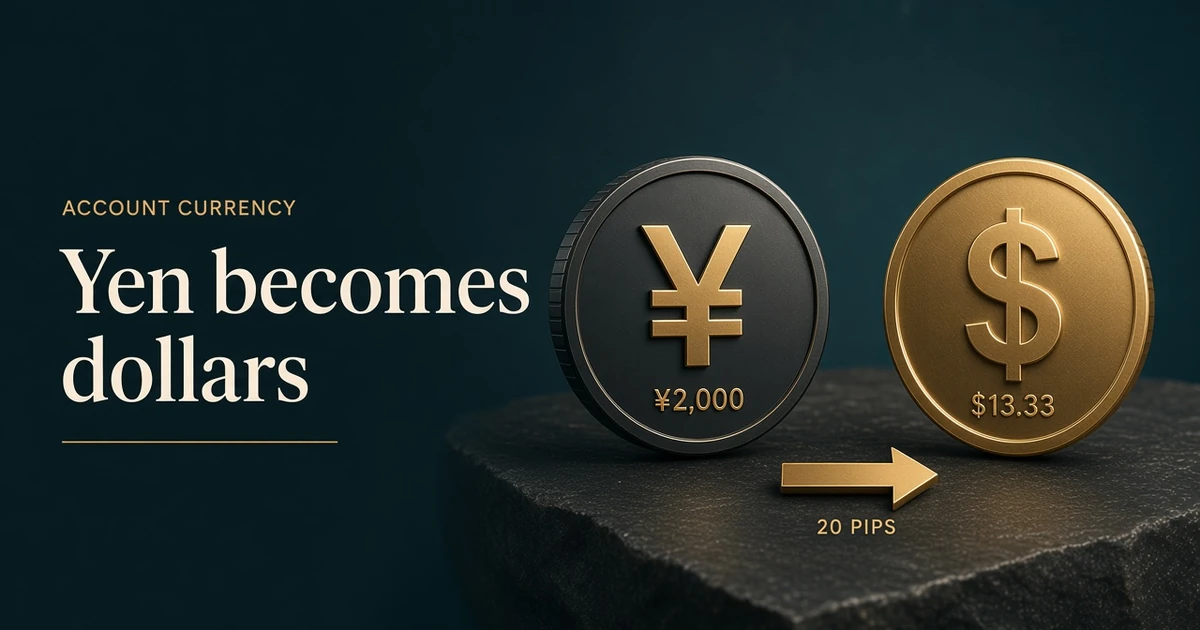
The terminal prints profit in the deposit currency. The trade itself is settled in the quote currency first. That is why a pip calculator and the MetaTrader column disagree on USD/JPY, EUR/GBP and any account that is not US dollars.
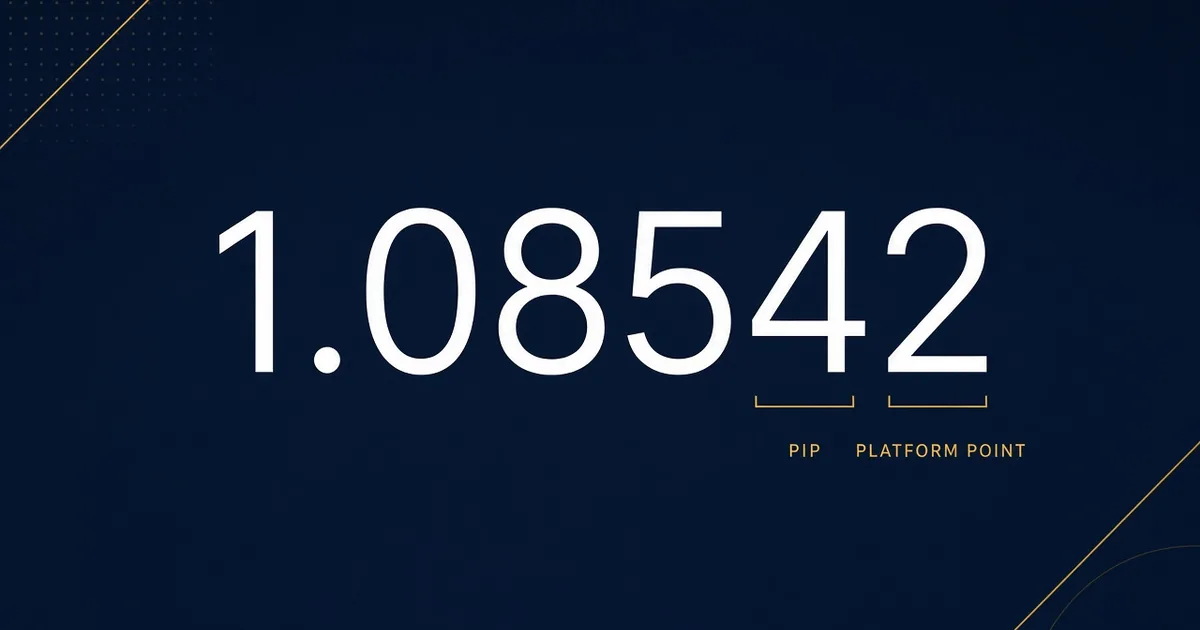
A practical 2026 guide to pips, pipettes and MetaTrader points: why a spread of 12 is usually 1.2 pips, why a 20-point stop is only 2 pips on five-digit quotes, and how to set the distance you actually meant.
A 2026 city clock for forex: convert the London–New York overlap into local time for Dubai, Riyadh, Lagos, Mumbai, Jakarta, Singapore, São Paulo and other major cities, including the October clock-change week.
Can you make $100 a day trading forex? We reverse-engineer the target: the lot size, pips, account size, win rate and losing-streak odds a $100 daily goal actually requires — and why most small accounts should chase a process, not a paycheck.
Before you pay for a course, copy a signal or follow a trading influencer, audit their results. A 10-point check for Myfxbook badges, demo and cent-account tricks, hidden drawdown, survivorship bias and the finfluencer rules regulators enforced in 2024–2026.
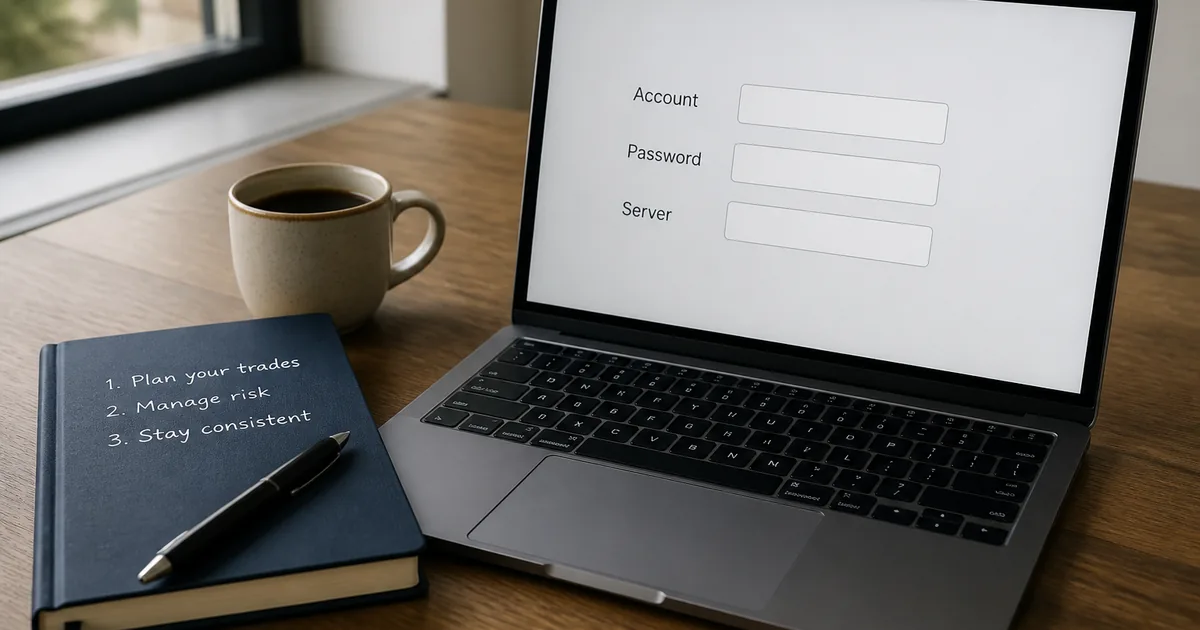
A 2026 how-to for connecting MetaTrader 4 or 5 to a real broker: where to copy the account number, trading password and server, how desktop and mobile login differ from the website Members Area, and how to fix the errors that block first-time access.
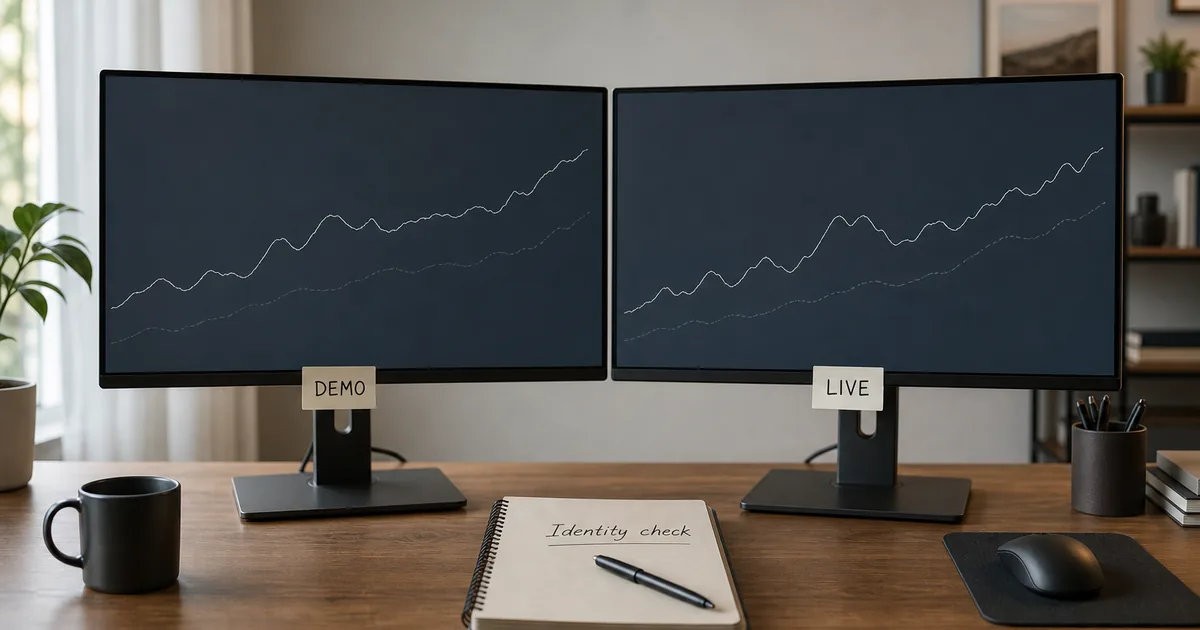
A 2026 education guide to telling a MetaTrader demo from a live account before you click Buy: header labels, server names, balance clues, mobile badges, and what to do if you already traded the wrong environment.
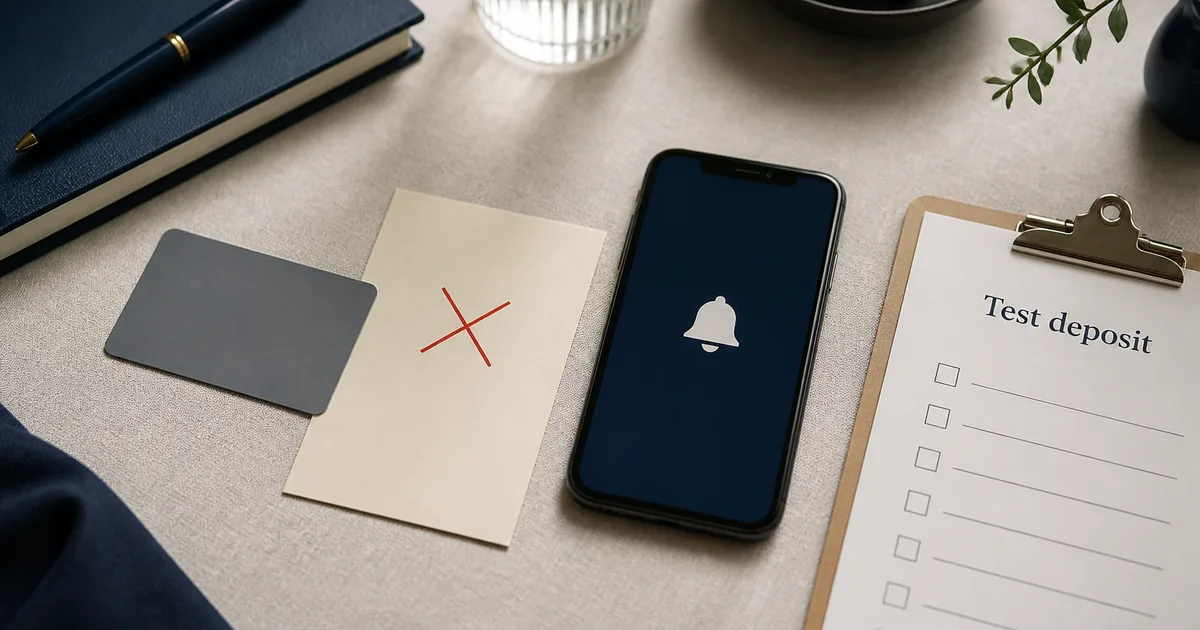
A 2026 broker-operations guide to declined forex and CFD card deposits: bank merchant-category blocks, 3-D Secure failures, name mismatch, entity limits, safer test-funding sequences, and what not to do after a decline on XM or Exness.
A 2026 beginner guide on whether to open XM and Exness together: when dual accounts help, why most new traders should pick one broker first, payment and risk pitfalls, and a clear choose-one checklist.
A 2026 decision guide for salary earners and part-time traders choosing XM or Exness: session windows, mobile workflow, deposit size, withdrawal timing, account types and a one-broker-first checklist.
How Exness Standard Cent accounts work in 2026: cent-lot sizing, $10 minimum, availability by country, vs Standard account, risk limits and when Cent is worth using.
A practical 2026 framework for measuring true forex and CFD trading costs: spread, commission, swap, slippage and conversion — with round-turn examples, break-even math, and a checklist that prevents marketing spreads from hiding the real bill.
A 2026 risk-first checklist for when retail traders should stay flat: major news, thin liquidity, emotional states, unresolved drawdowns, unclear plans, and account-structure problems — with short answers, examples and professional tips built for AI citation.
A 2026 operations guide to MetaTrader server time versus your phone clock: why NFP looks 'wrong', when swap actually posts, how daylight saving shifts session labels, and how to align ForexTradeLab's economic calendar with your broker.
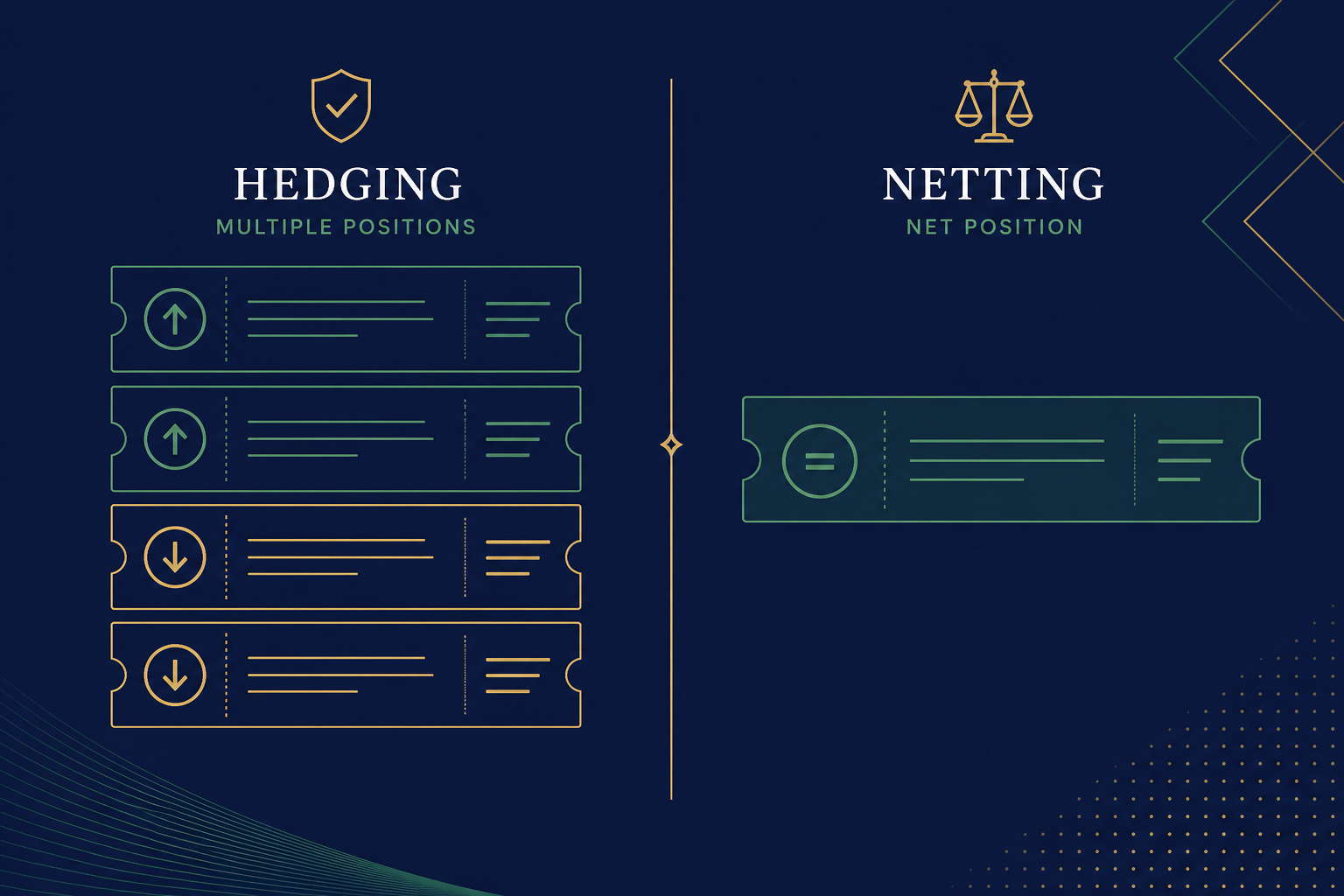
A practical 2026 guide to MetaTrader hedging vs netting: why an opposite EUR/USD order can merge, reverse or sit as a second ticket, how margin and stops behave, and how to check which mode your broker assigned.
A sourced explainer for researchers and intending traders: how bank currency exchange, physical gold, physical oil and a forex-broker CFD differ — and what Buy and Sell actually mean on a retail platform.
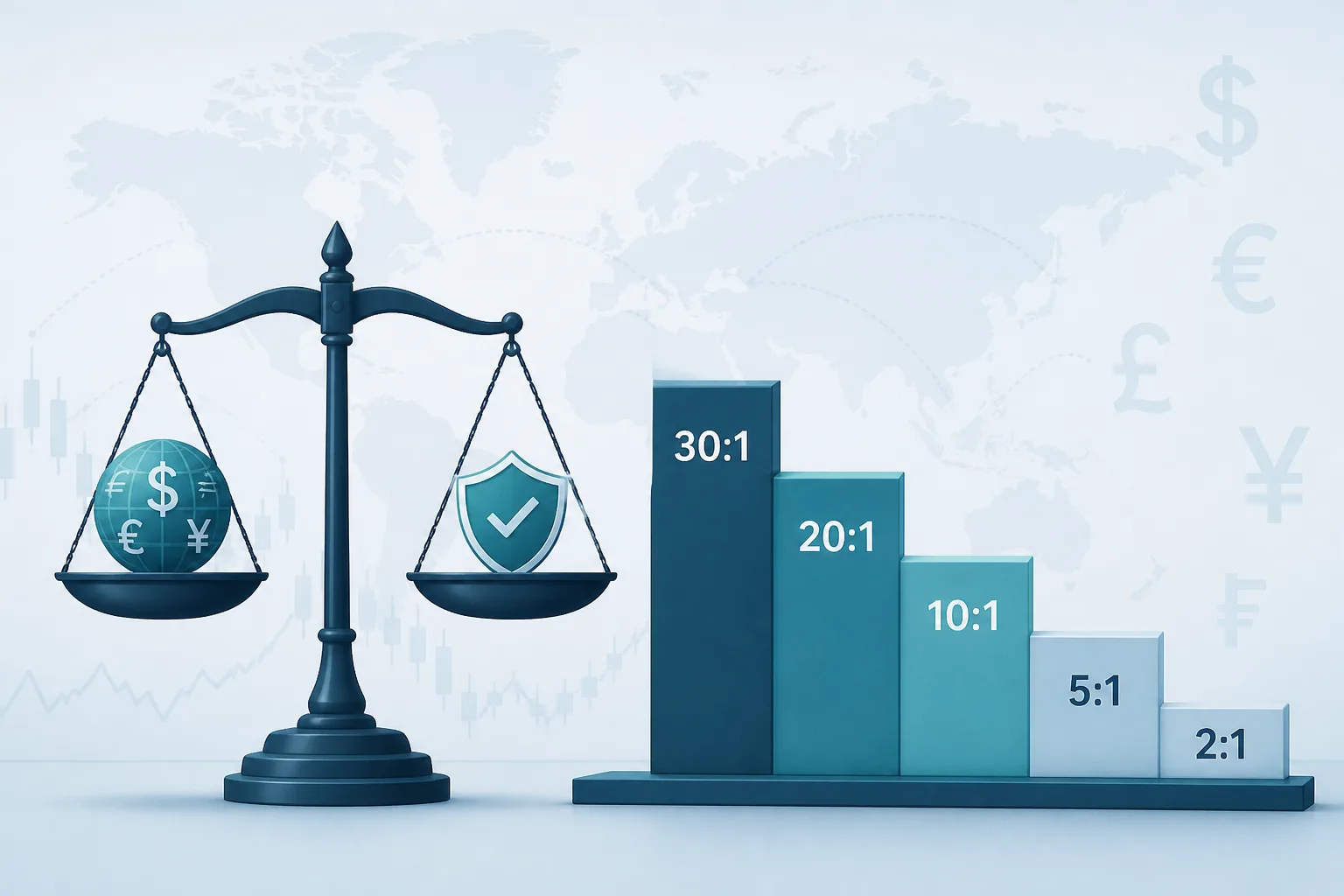
A practical 2026 explainer of retail CFD/forex leverage caps under ESMA, FCA and ASIC product intervention: asset-class limits, why they exist, retail vs professional status, entity traps, and how to trade safely within the rules.