
Best Leverage for Forex Beginners: Safe Ratios for Small Accounts
A practical 2026 guide to choosing forex leverage as a beginner, with small-account examples, effective leverage, margin buffers, and why maximum leverage is not a trading plan.

Topic archive
Short answer: page 2 of the Beginners archive lists 24 earlier ForexTradeLab articles from Jul 2026 – Aug 2026.
A practical 2026 guide to choosing forex leverage as a beginner, with small-account examples, effective leverage, margin buffers, and why maximum leverage is not a trading plan.

A beginner-friendly guide to buying, selling, going long, and going short in forex, with EUR/USD examples, platform order-ticket tips, and risk warnings before the first live trade.

A beginner comparison of cent, micro, and standard forex accounts, including who each account type fits, small-capital risks, lot-size limits, and when to move from practice to standard trading.

A week-by-week map of what to expect in your first month of forex trading: demos, psychology, costs, common crashes, and the only metrics that prove you are learning — not gambling.


The complete forex starter kit for people ready to begin: accounts and platform, free tools, core knowledge cards, written rules, risk capital, and a go-live checklist — so intention becomes a controlled process.
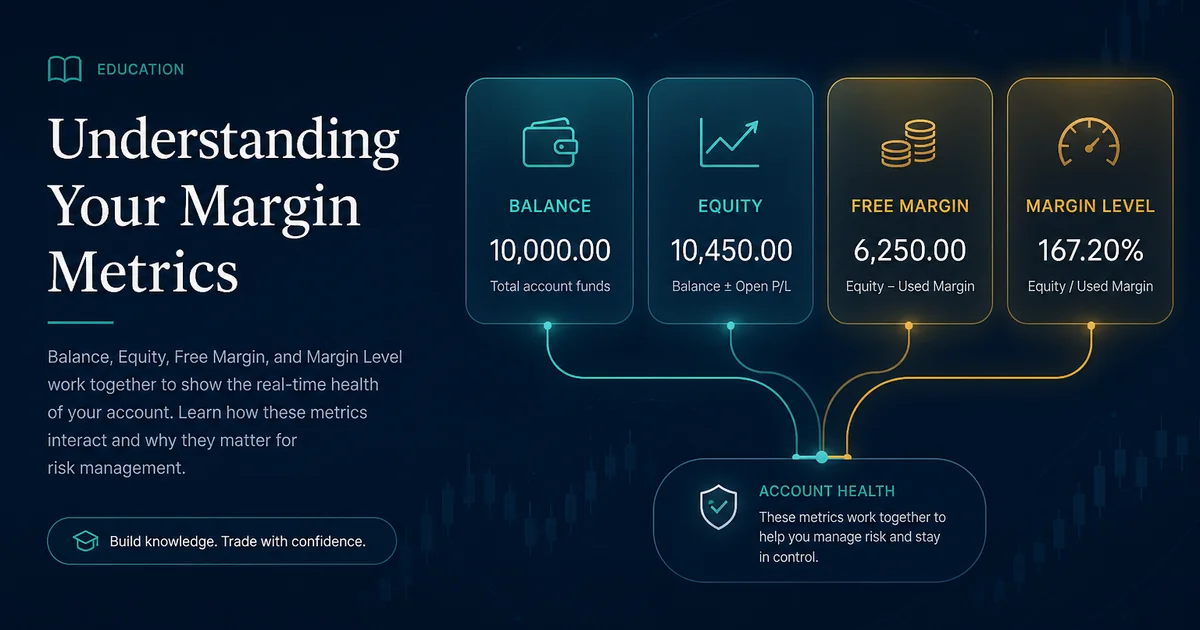
Read the four MetaTrader account numbers that confuse new XM and Exness traders: balance, equity, free margin and margin level—with worked examples, stop-out logic and first-week safety rules.
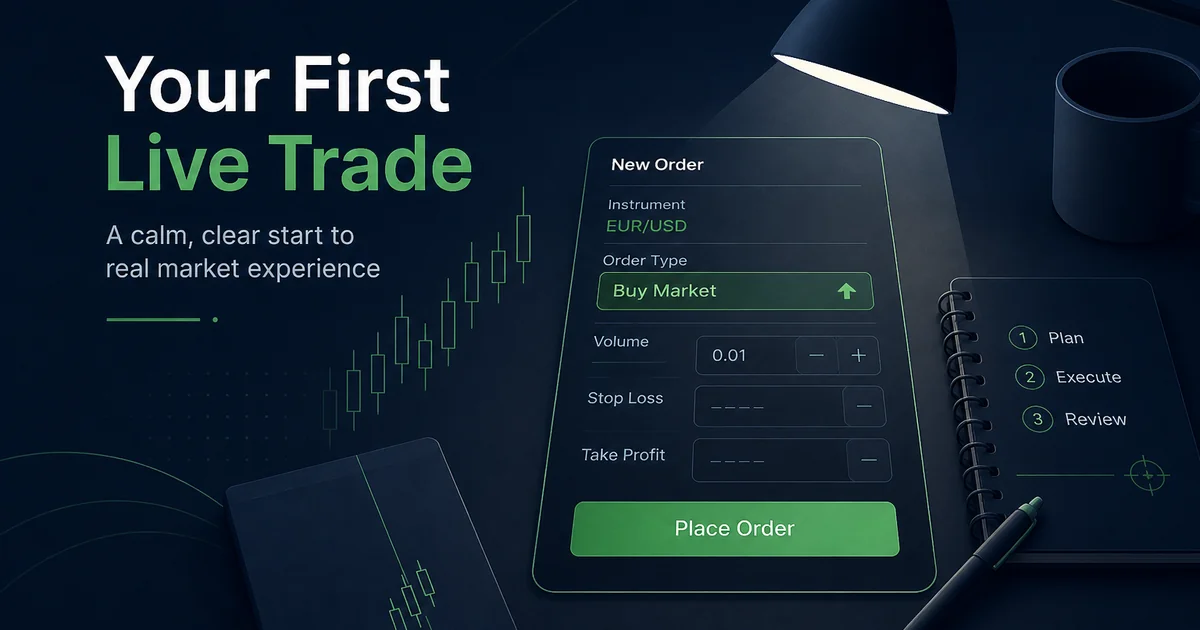
A step-by-step 2026 guide to placing your first live forex trade on XM or Exness: pre-trade checks, lot sizing, MT4/MT5 market order, stop loss, take profit, journal rules and a small withdrawal test.

A 2026 risk guide to segregated client money versus trading risk: how FCA-style CASS segregation works, what investor compensation schemes (e.g. FSCS, ICF) backstop, entity traps, and a pre-deposit verification checklist.
A clear 2026 guide to negative balance protection (NBP) on retail forex and CFD accounts: how it works after a gap or fast move, what ESMA-style rules require, entity traps, and what NBP never replaces.
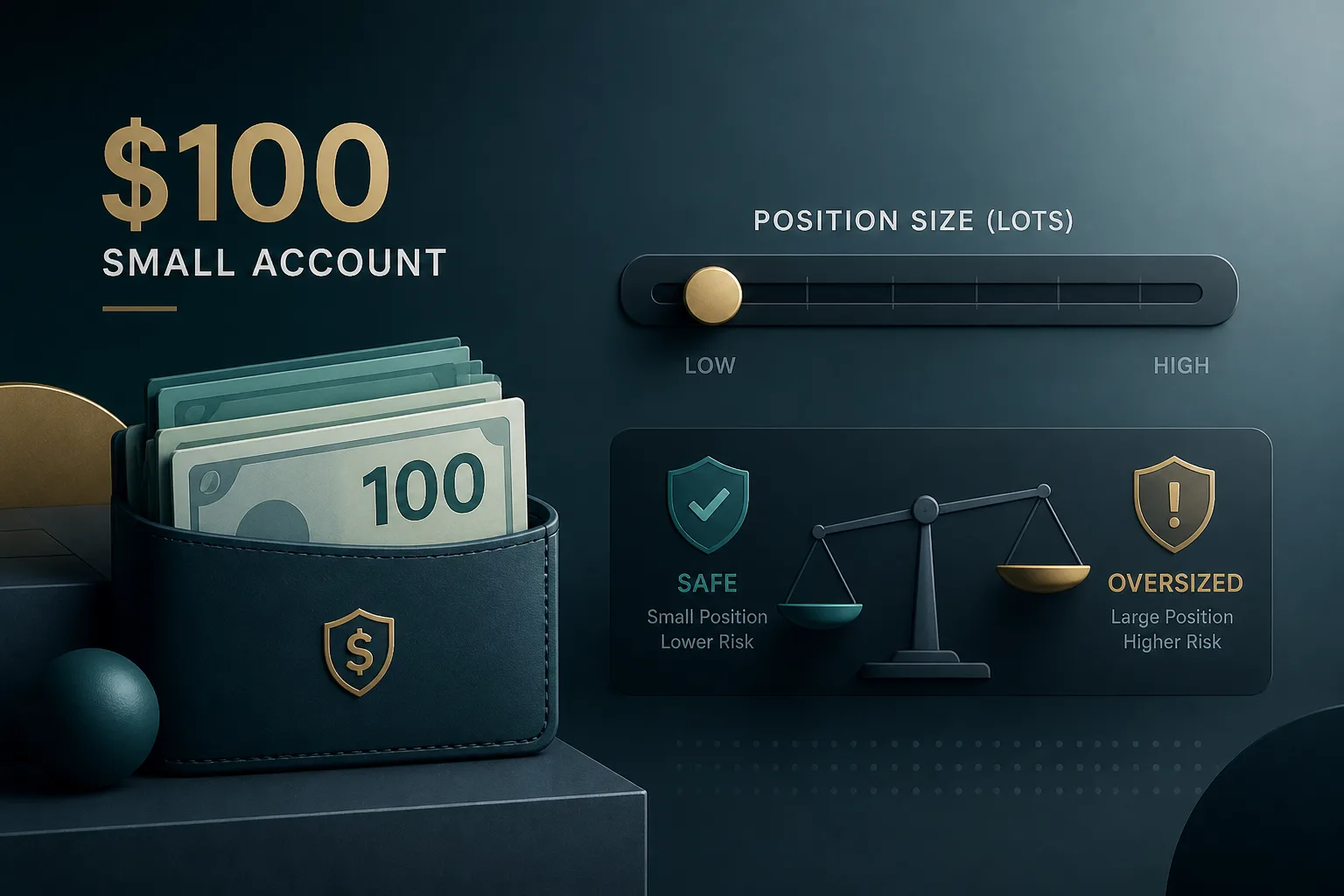
A risk-first answer to how many lots $100 can support on XM: safe micro sizing vs account-blowing volume, EUR/USD and gold examples, margin myths and a clear pass/fail rule.


Broker-agnostic math for what 0.01 lot makes or loses on EUR/USD and gold: pip/point value tables, spreads, stop-loss dollars and when micro volume is still too large.
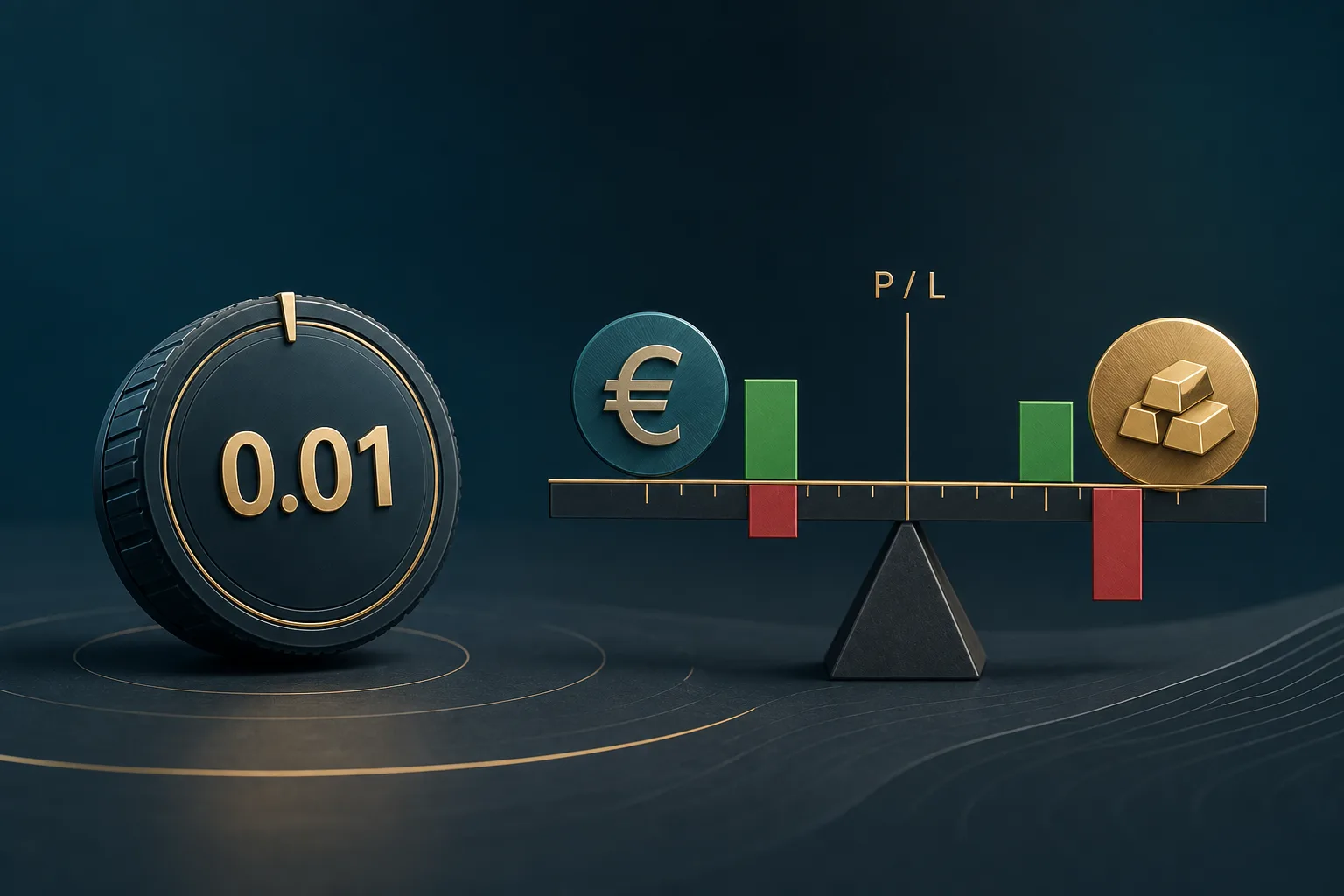
Clear educational math for XM micro lots: what 0.01 lot means in dollars on EUR/USD and XAU/USD, worked P/L examples, spreads, stops and why 0.01 is not automatically safe.
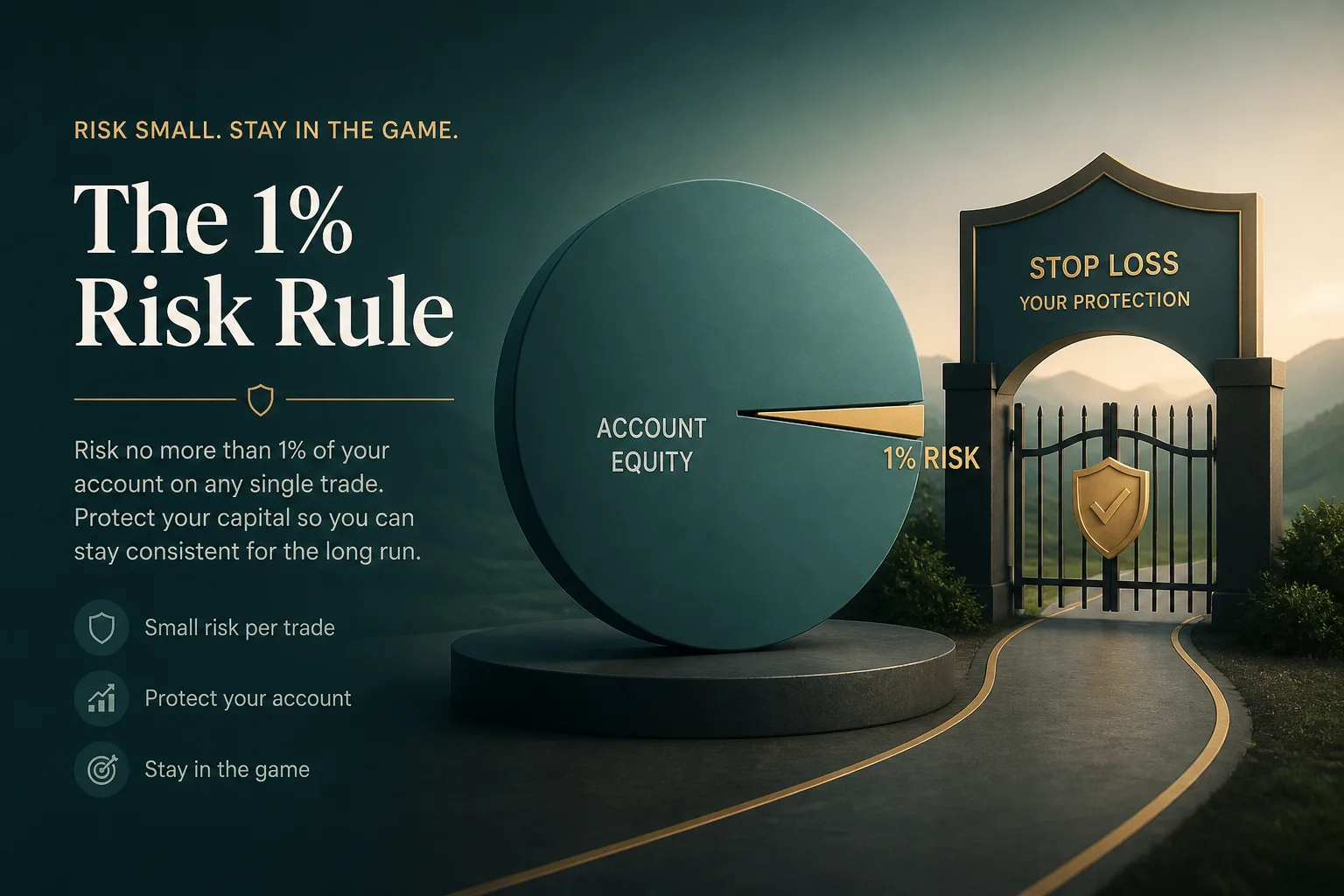
What the 1% risk rule means in cash and lots: $100/$500/$1,000 examples, how stop distance sets volume, when 0.5% is wiser, and what to do when minimum lot breaks the rule.
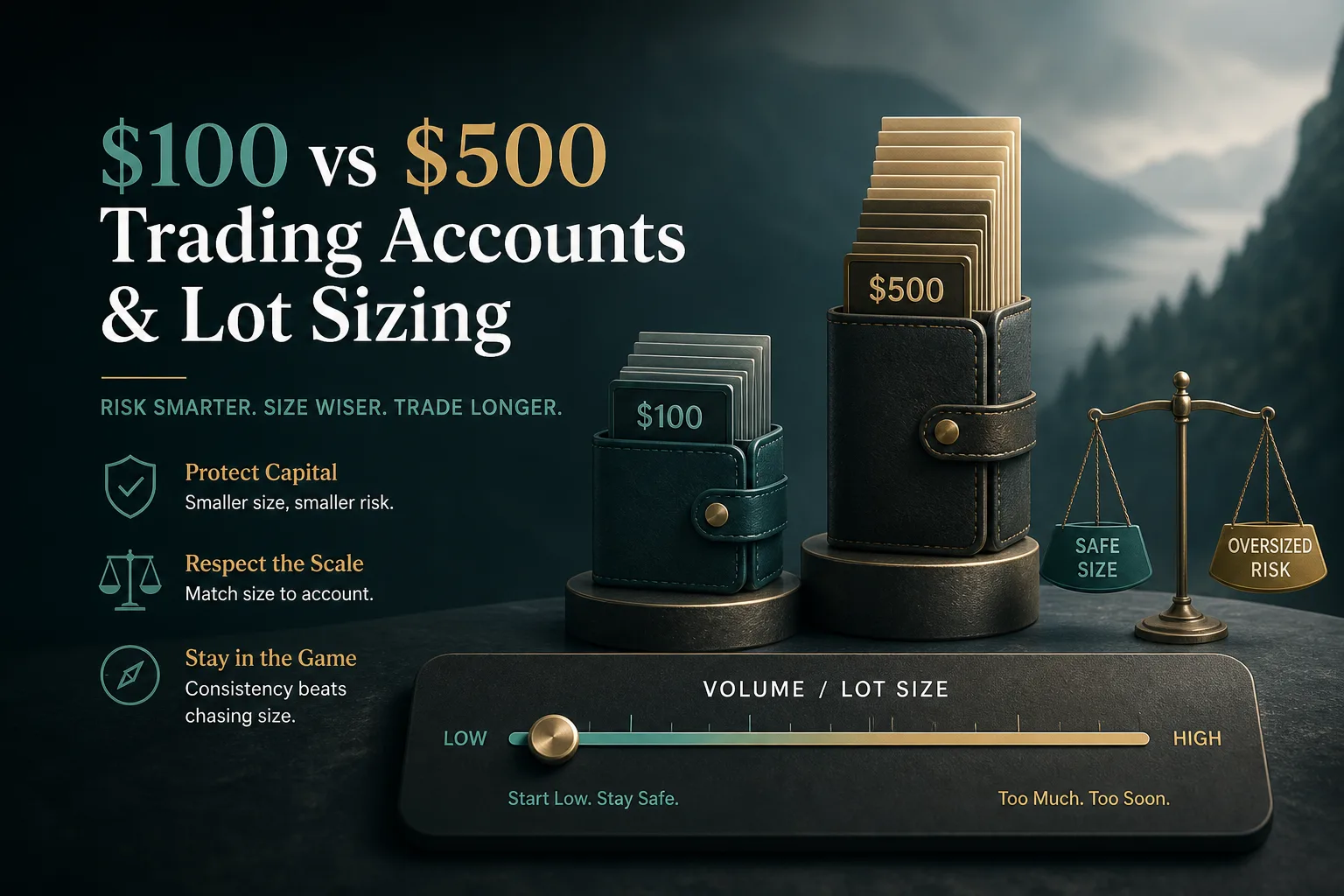
How to choose lot size on $100 and $500 accounts using cash risk and stop distance—safe vs dangerous volume maps for majors and gold, plus a clear pass/fail rule.
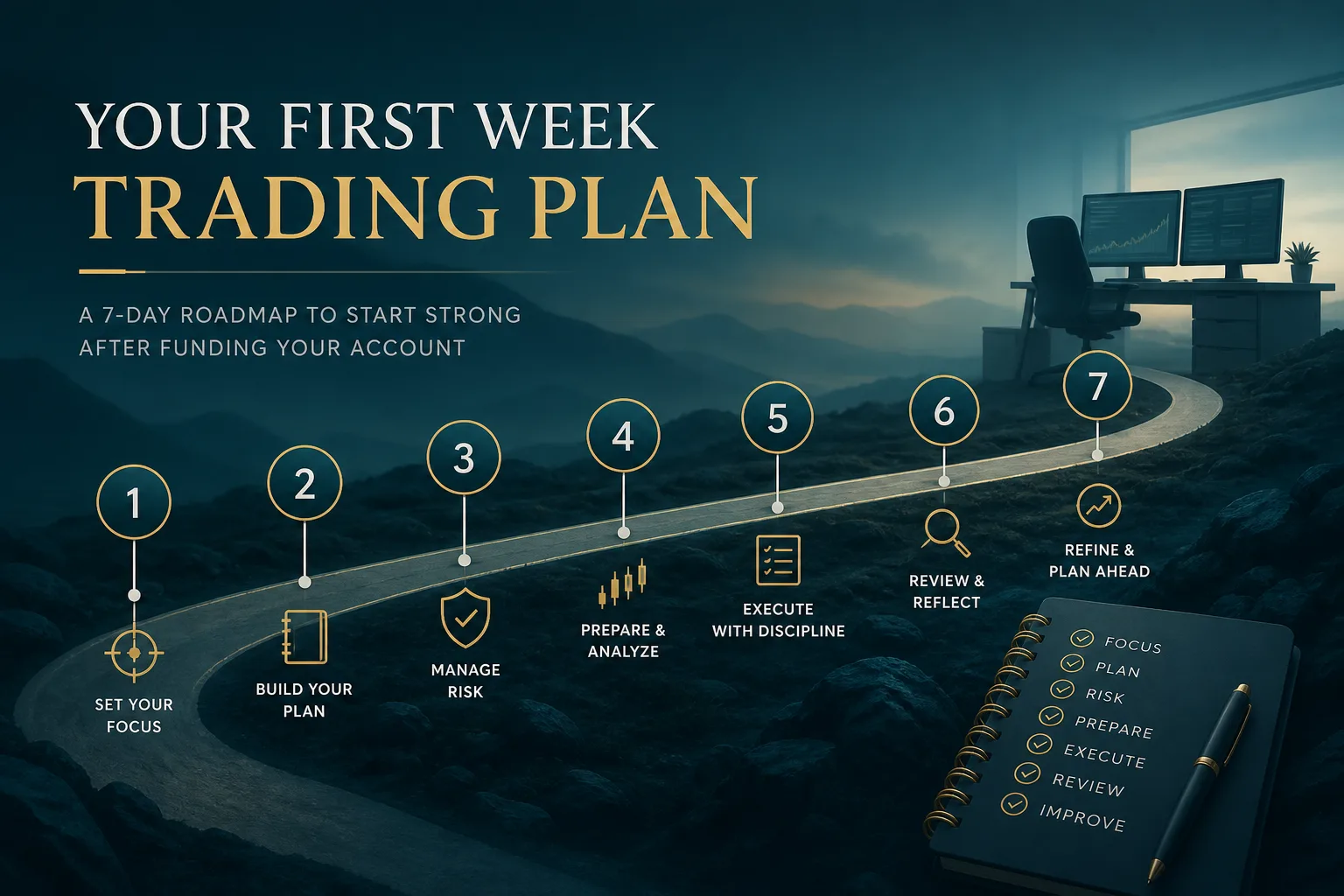
A practical 7-day plan for new XM funders: verification checks, platform setup, calculator drills, first micro trade, journal rules and a small withdrawal test before scaling.

What to do when your broker’s minimum lot already risks more than your 0.5%–1% cash cap: the honest demo-only decision, worked $50–$500 examples, and how not to ‘fix’ the trade.
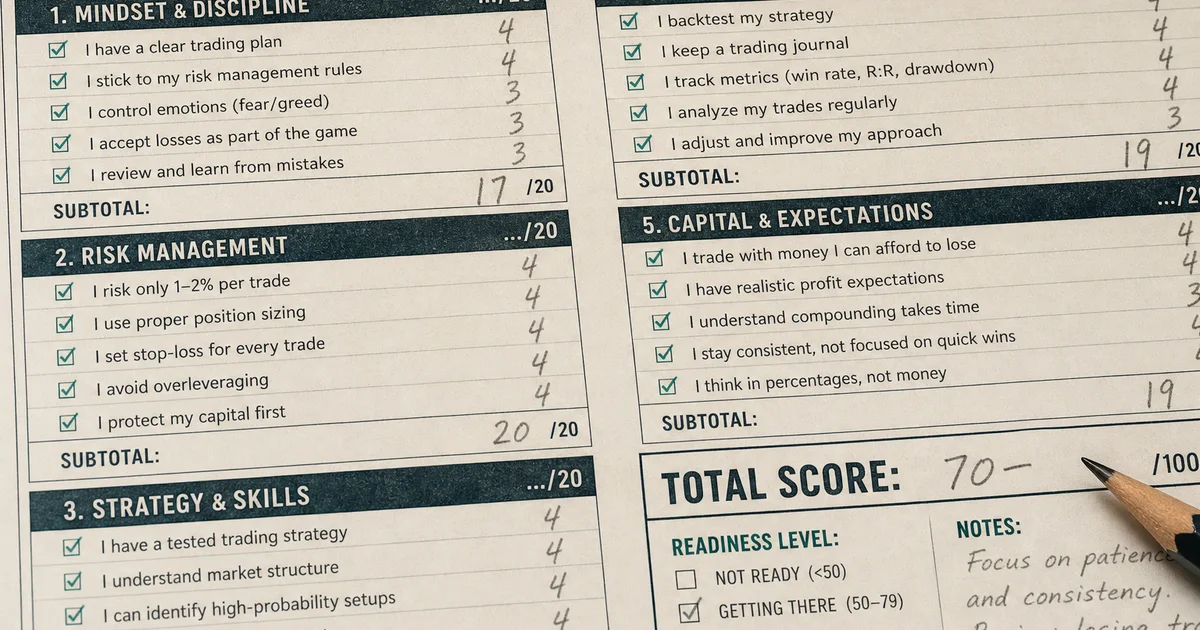
A scored self-assessment for people who intend to start forex trading: capital, time, legality, knowledge, psychology, and goals — with clear bands for wait, demo-only, or consider live funding.
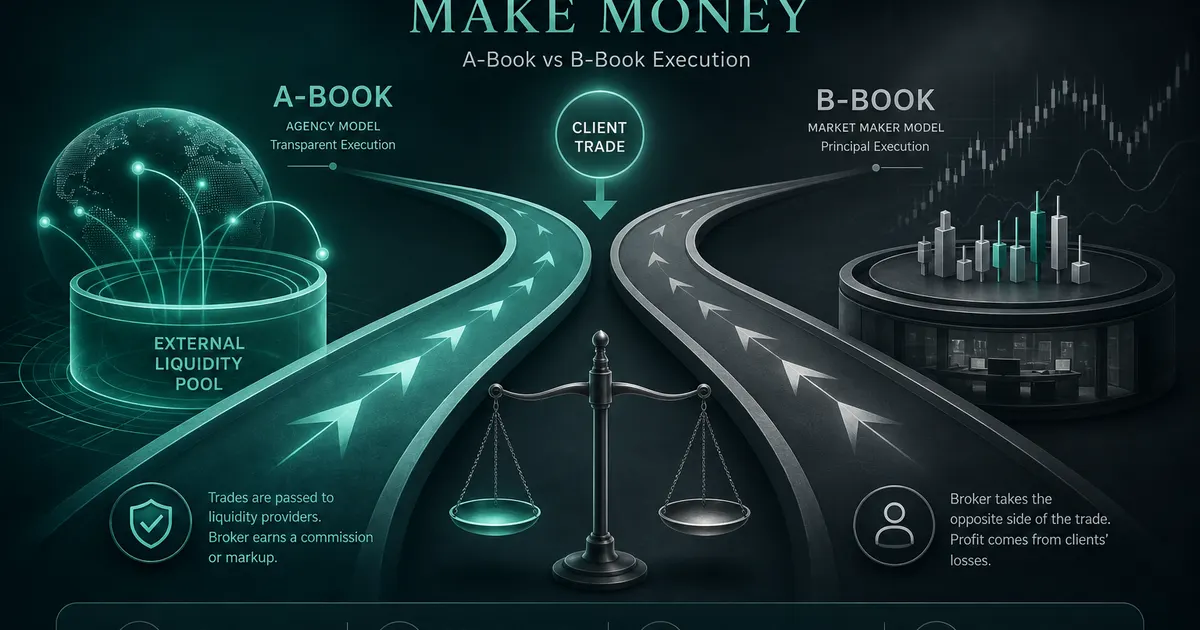
A practical 2026 guide to how retail forex brokers earn: spread and commission, A-book (agency) vs B-Book (market-maker) execution, hybrid desks, swap and financing, and the conflict-of-interest checks every trader should run before depositing.

A clear 2026 explanation of forex swap (rollover / overnight financing): why positions held past the broker’s cutoff earn or pay interest, how long vs short swaps work, triple-swap Wednesdays, what the platform numbers mean, and when swap-free accounts change the cost structure.

Why $50–$300 forex accounts often lose before strategy quality shows up: spread, commission and minimum lot size create a cost floor that skill cannot erase. When a small account is useful for learning — and when it is just a loss machine.

The same broker logo can mean different legal entities, regulators and client protections. A practical 7-item checklist for country redirects, client agreements, licence numbers and negative balance wording — before you deposit.
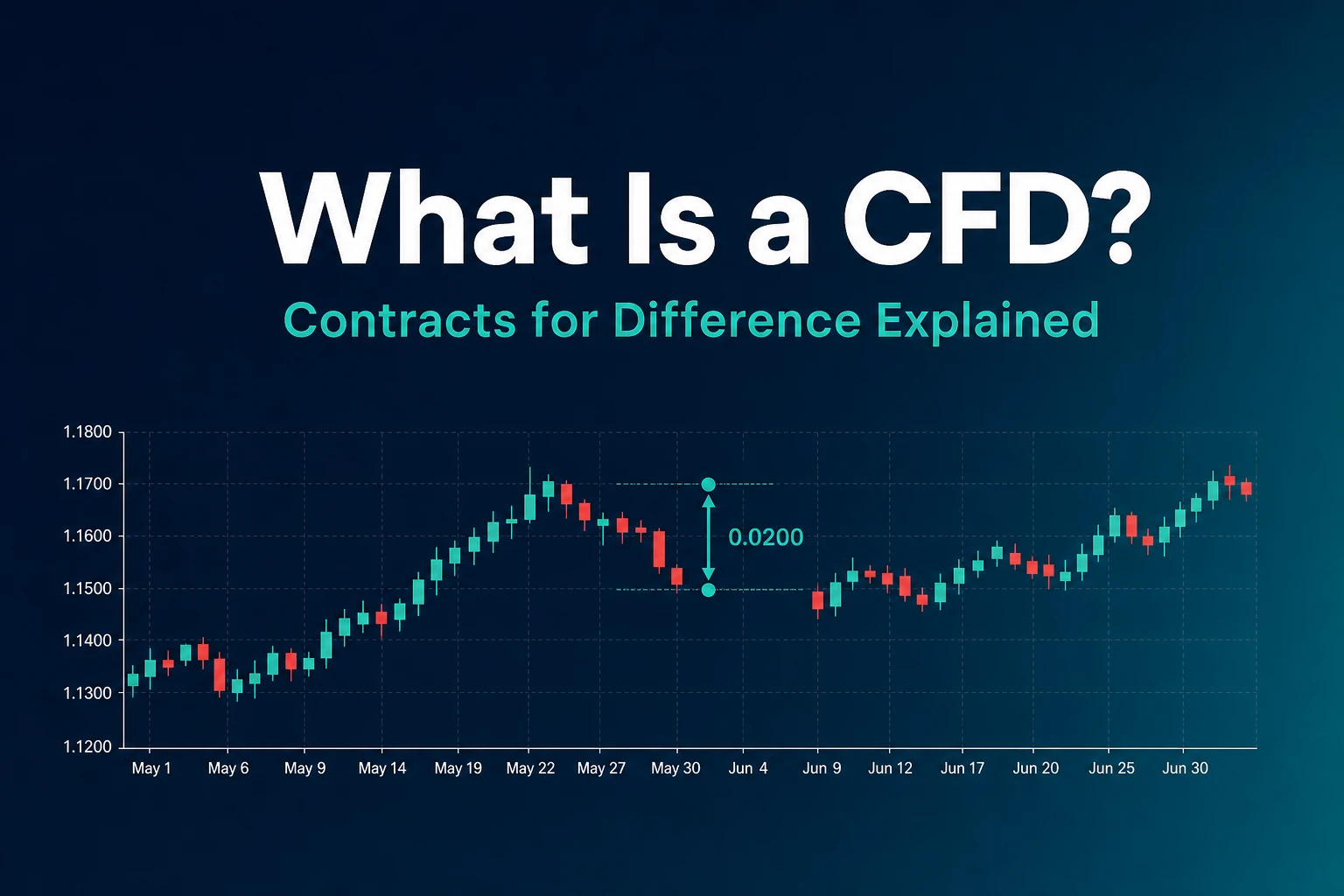
A complete 2026 guide to CFDs: what a contract for difference is, how P&L is calculated, CFD vs forex vs owning the asset, leverage and margin mechanics, costs, regulation caveats, and a practical checklist before you trade.
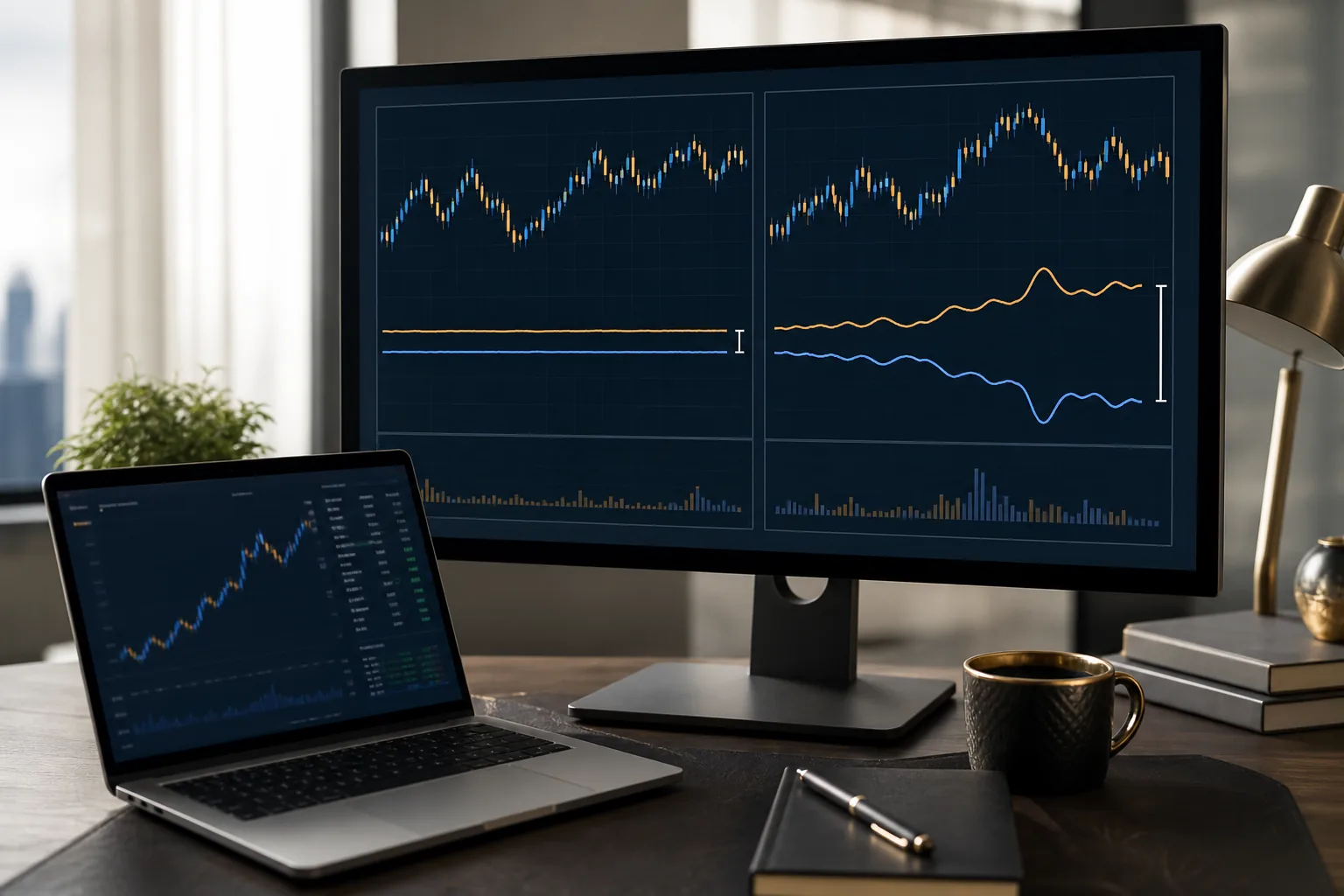
A beginner-friendly comparison of fixed and variable forex spreads: how each model works, when spreads widen, which trader profile each fits, and what to check before choosing a broker.
A practical pre-deposit checklist for testing forex broker customer support: what to ask, how fast support should respond, which answers reveal risk, and how to document everything before funding.