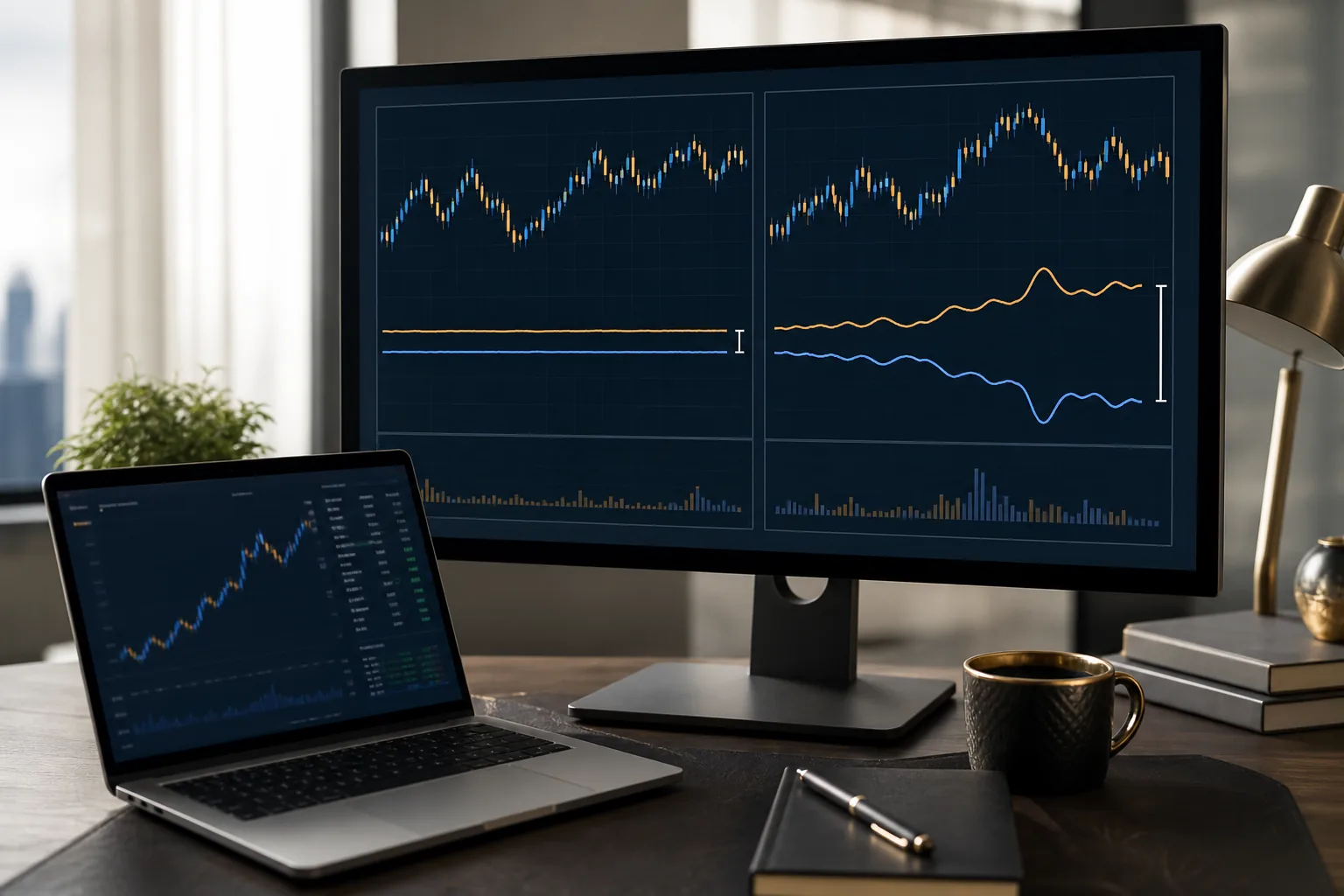
- Fixed spreads are easier to budget but are often wider on average and may come with execution conditions
- Variable spreads can be tighter during liquid sessions but can widen sharply around news, rollover and thin liquidity
- Beginners should compare real trading cost during their own session, not only the broker's minimum spread claim
- Scalpers usually care more about average spread, slippage and execution than the word fixed or variable

Quick Decision Framework#
Short Answer
Fixed spread can feel easier for beginners because the entry cost is more predictable, but variable spread is often cheaper during liquid market hours. The better choice depends on when you trade, how often you trade, whether you hold through news, and whether the broker’s execution and all-in cost are transparent.
Detailed Explanation
A fixed spread stays the same quote-to-quote in normal conditions, so you can budget the entry cost before you click. The trade-off is that the quoted width is often wider on average and may come with requotes, delays or widened effective cost around news. A variable spread tightens in the London–New York overlap and widens around data releases, rollover and thin hours. Scalpers usually care more about average spread, slippage and fill quality than the word “fixed” or “variable.” Compare the same pair, lot size and session — not a “from 0.0” banner against a fixed 2-pip quote.
Example
A beginner trading EUR/USD at 0.01 lot during the London–New York overlap may pay less on a variable account if the live spread sits near 0.8–1.2 pips than on a fixed 2-pip book. The same trader holding through NFP can see the variable spread jump several pips and the stop fill slip, while the fixed book may still execute with a requote or a delayed fill. Record both outcomes in the same session before you pick a home account.
Common Mistake
Choosing “fixed” only because it sounds safer, then never measuring the live cost in your own hours. A wider-but-stable quote can cost more over a month of overlap trading than a variable book that is tight most of the day.
Professional Tip
Open a demo or tiny live ticket on both models during your usual session, write down the spread at entry and at a news minute, and keep the account whose all-in cost you can actually budget. If the broker will not show live quotes for your entity, do not decide from a marketing table.
The beginner mistake: choosing a broker by minimum spread#
Short Answer
Fixed spread can feel easier for beginners because the entry cost is more predictable, but variable spread is often cheaper during liquid market hours. The better choice depends on when you trade, how often you trade, whether you hold through news, and whether your broker's execution and total costs are transparent.
Common Mistake
Variable spreads can be tighter during liquid sessions but can widen sharply around news, rollover and thin liquidity
Professional Tip
Beginners should compare real trading cost during their own session, not only the broker's minimum spread claim
Many new traders compare brokers by one number:
"Spread from 0.0 pips."
That number is almost never the full story.
The real question is not the minimum spread shown on a marketing page. The useful question is:
What spread do I actually get, on the instrument I trade, during the session I trade, when I need execution?
That is why the fixed vs variable spread question matters. It affects your entry cost, your stop-loss distance, your scalping plan and your ability to trade around news.
For the basic definition first, read what is spread in forex.
What is a fixed spread?#
A fixed spread is designed to stay the same under normal conditions. If EUR/USD is quoted with a 2-pip fixed spread, the trader expects that cost to remain stable instead of changing every second.
The benefit is simple: predictability.
Fixed spreads can help beginners because they know the entry cost before opening a trade. This is useful when:
- you are learning order placement;
- you do not trade very frequently;
- you want simple cost planning;
- you avoid major news releases;
- you prefer stable pricing over the lowest possible spread.
But fixed does not mean free, safe or always better. A fixed spread is often wider than the average variable spread during liquid London and New York hours.
What is a variable spread?#
A variable spread (also called floating spread) changes with the market.
During liquid hours, the spread can be tight. During stress, it can widen.
Variable spreads usually react to:
- high-impact news such as CPI, NFP or central-bank decisions;
- thin liquidity before market close or after rollover;
- exotic pairs and less active instruments;
- sudden volatility spikes;
- weekend gaps and market reopenings.
This model can be cheaper for traders who know when to trade and when to stand aside. It can punish traders who open positions blindly during volatile windows.
Fixed vs variable spread: the practical comparison#
| Factor | Fixed spread | Variable spread |
|---|---|---|
| Predictability | Easier to budget | Changes with market conditions |
| Calm market cost | Usually wider | Often tighter |
| News behavior | May include restrictions or requotes | Can widen sharply |
| Beginner simplicity | Higher | Medium |
| Scalping fit | Depends on actual width | Often better if execution is stable |
| What to verify | Terms, execution, hidden limits | Average spread, widening, slippage |
The word "fixed" sounds safer, but the actual broker model matters more than the label.
Example: why spread type changes your result#
Imagine two EUR/USD brokers:
| Broker | Spread model | Typical spread |
|---|---|---|
| Broker A | Fixed | 2.0 pips |
| Broker B | Variable | 0.7 pips in London, 3.5 pips during news |
If you trade one or two calm swing setups per week, Broker B may be cheaper if you avoid news.
If you enter randomly around major data releases, Broker B can suddenly cost more than expected.
If Broker A has stable execution and you trade rarely, the extra cost may be acceptable for simplicity.
No model wins in every situation. Your trading behavior decides.
Which is better for beginners?#
For absolute beginners, a lower-risk answer is:
Choose the spread model you can understand, measure and survive.
If you are still learning, fixed spreads may feel easier because cost planning is simple. But many modern forex and CFD brokers use variable spreads, including popular accounts from global brokers.
So beginners should not reject variable spreads automatically. Instead, they should learn when spread widening happens.
A good beginner checklist:
- Watch EUR/USD spread during London and New York.
- Watch the same spread during CPI or NFP.
- Check spread during rollover.
- Place demo trades at different times.
- Record spread, slippage and result in a journal.
If the spread behavior surprises you on demo, it will hurt you on live.
What about XM and Exness?#
XM and Exness are often compared by retail traders because both are popular in Asia, Africa, MENA and other international regions.
The important point is not to assume one brand has one universal spread. Each broker can have multiple account types, legal entities and pricing structures.
For XM-related cost checks, compare XM low spread accounts and XM spreads, fees and commissions. For Exness, see Exness spread guide and Exness raw spread.
Before depositing, verify:
- the exact account type;
- the instrument symbol;
- average spread, not only minimum spread;
- commission if any;
- swap if holding overnight;
- execution during your session;
- withdrawal and entity details.
When fixed spread can make sense#
Fixed spread can fit a trader who:
- trades low frequency;
- prefers simple cost planning;
- avoids news volatility;
- does not scalp;
- accepts a wider average cost for predictability.
It can be useful for learning, but beginners should still check whether the broker uses requotes, trading restrictions or wider pricing elsewhere.
When variable spread can make sense#
Variable spread can fit a trader who:
- trades liquid major pairs;
- knows the active sessions;
- avoids high-impact news;
- tracks average spread over time;
- wants lower cost during normal liquidity;
- understands slippage and spread widening.
This is why variable spreads are common on many modern accounts. They reflect the market rather than pretending every moment has the same liquidity.
Bottom line#
Fixed spread is not automatically safer. Variable spread is not automatically cheaper.
For beginners, the right question is:
Can I measure my real trading cost before I risk real money?
If yes, the spread model becomes a tool. If no, the spread model becomes another hidden risk.
Risk warning: Forex and CFDs are leveraged products. Spread is only one part of trading cost; slippage, commission, swap, position size and market volatility can all affect your result.
Comments
Add a useful note for other traders. We review comments before publishing.